|
Tools | Logitech G Hub Not Working on macOS — The Fix |
| Guest Post by Chris Phillips | |
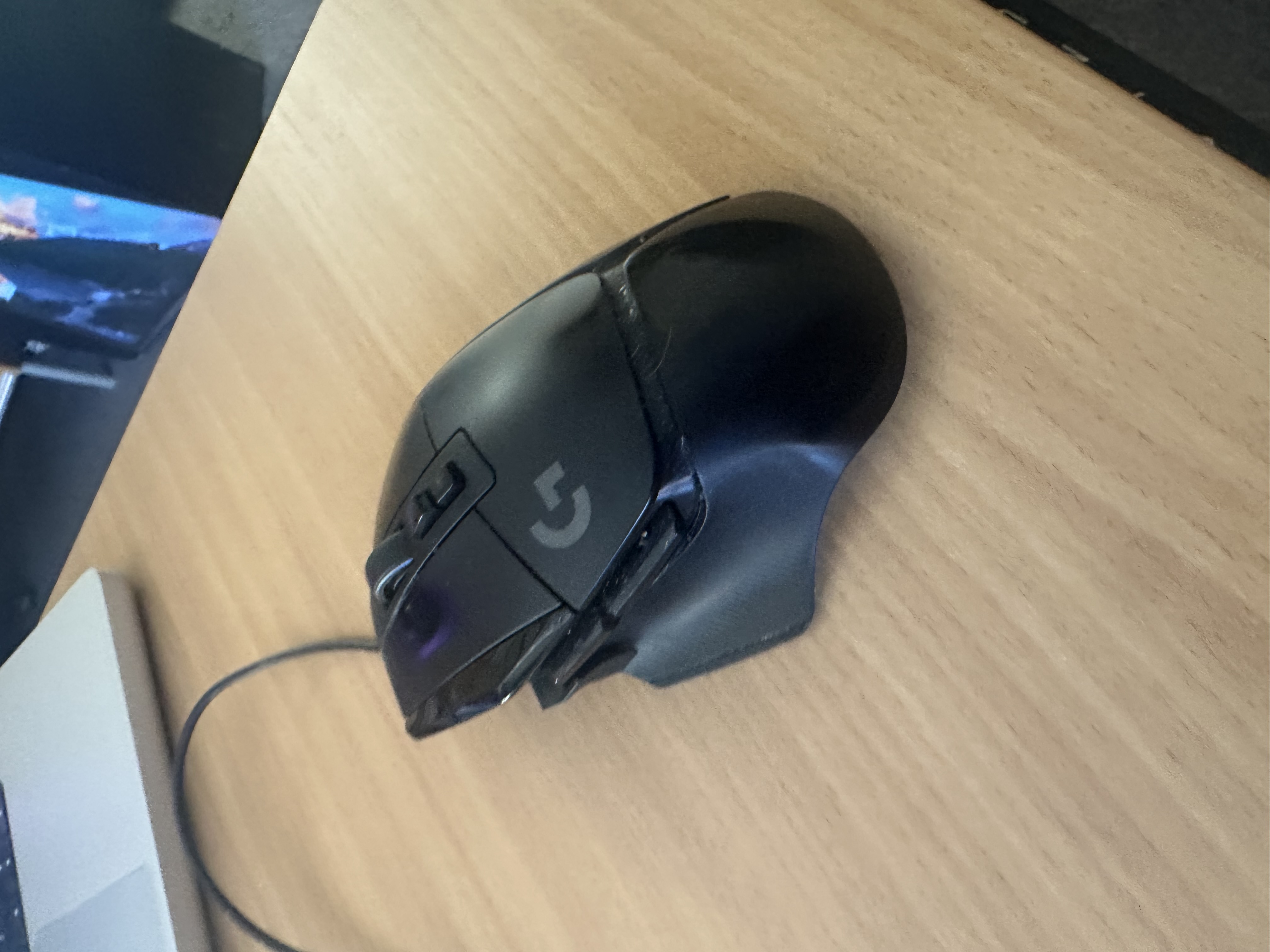
After installing Logitech G Hub for the G502X, nothing worked. Weeks of frustration until a Reddit thread had the answer.
|
|
|
|
|
| API CONNECT | |
 | Essential DataPower Logging when using API Connect: 5 Critical Log Types for Production Monitoring |
| Guest Post by Chris Phillips | |
When configuring IBM DataPower for production, proper logging is essential for troubleshooting, performance monitoring, and capacity planning. This guide covers five critical logging types that every DataPower deployment should have enabled. |
|
|
|
|
| DATAPOWER | |
|
| DataPower Memory and Performance: Understanding What Normal Looks Like (Before You Open a Ticket) |
| Guest Post by Chris Phillips IBM Bob | |
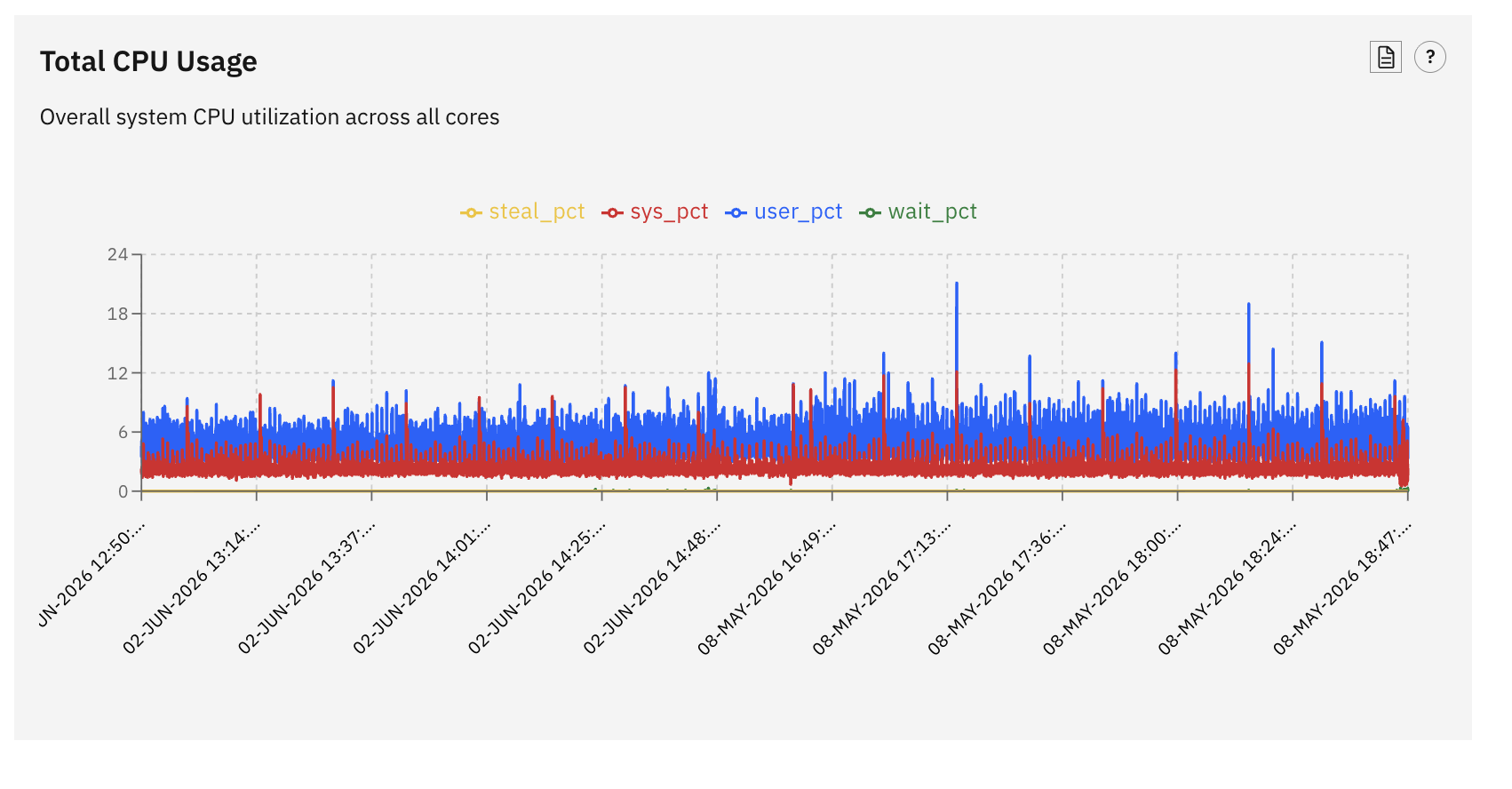
Rising memory on a DataPower appliance is not automatically a problem — but knowing whether it is requires understanding what the numbers actually mean.
|
|
|
|
|
| API CONNECT | |
|
| Simplify API Problem Determination with AI Insights and Enriched Analytics in API Connect v12.1.1 |
| Guest Post by Chris Phillips IBM Bob | |
When an API starts failing or slowing down, problem determination usually means checking several data sources and trying to build a timeline from them. API Connect v12.1.1 uses AI Insights to make that initial investigation easier. Depending on the report and deployment, v12.1.1 may also expose more event detail than earlier reporting views. That gives the operator more context to work with before reviewing the AI-generated summary. This article covers how AI Insights can be used during problem determination and how the extra event context can help. |
|
|
|
|
| API CONNECT | |
|
| AI Insights for Analytics Reports in IBM API Connect v12.1.1 |
| Guest Post by Chris Phillips IBM Bob | |
API Connect analytics reports show a lot of data, but the harder part is understanding what it means. AI Insights is intended to help with that by turning report data into short explanations and recommendations. This article covers what AI Insights is, where it appears in reporting, and the kind of output it can provide. |
|
|
|
|
| API CONNECT | |
|
| API Connect v12.1.1 LTS — What's New and Why It Matters |
IBM API Connect v12.1.1.0 is positioned as a Long-Term Support (LTS) release. If you are planning production upgrades, that makes it a version worth reviewing closely. This article summarises the main themes in v12.1.1.0 and the areas worth checking in the IBM documentation. |
|
|
|
|

|
| ABOUT | APICONNECT | API | DATAPOWER | OPENSHIFT | EVENTSTREAMS | INTEGRATION | DAY2-OPS | ACE |